

What is referral marketing? Most American solopreneurs discover that referrals can drive up to 70 percent more high-quality clients than traditional marketing channels. Building a thriving business as an independent professional often depends on the support and trust within your network. Understanding how referral marketing works and how to avoid common mistakes can empower you to turn professional relationships into a powerful growth engine.
Table of Contents
- Defining Referral Marketing for Solopreneurs
- Types of Referral Marketing and Key Differences
- How Referral Marketing Drives Warm Leads
- Essential Steps to Launch Referral Campaigns
- Common Pitfalls and How to Avoid Them
Key Takeaways
| Point | Details |
|---|---|
| Referral Marketing Leverages Trust | Solopreneurs can effectively expand their customer base by utilizing the trust built through personal connections for authentic recommendations. |
| Choose the Right Referral Model | Implementing single-sided or double-sided referral programs can optimize your rewards strategy based on your networking goals and context. |
| Focus on Warm Leads | Referral marketing enhances the conversion probability of new clients by generating high-quality leads through trusted endorsements. |
| Avoid Common Pitfalls | To maintain authenticity, ensure that referral programs emphasize relationship building rather than mere transactional incentives. |
Defining Referral Marketing for Solopreneurs
Referral marketing represents a strategic approach where solopreneurs leverage their existing professional networks to generate new business opportunities. At its core, this method transforms satisfied clients and professional connections into active ambassadors who actively recommend your services to potential new customers. Referral marketing strategies involve creating systematic approaches that incentivize and encourage individuals within your network to share your professional offerings.
The fundamental mechanism of referral marketing centers on trust and personal recommendations. Unlike traditional advertising, referral marketing relies on authentic relationships and genuine experiences. When a professional colleague or past client recommends your services, their endorsement carries significantly more weight than any advertisement. This approach allows solopreneurs to expand their customer base through credible, personal introductions rather than impersonal cold outreach methods.
For independent professionals, referral marketing becomes a powerful growth strategy that transcends typical marketing techniques. Cost-effective customer acquisition methods enable solopreneurs to build sustainable business pipelines without substantial financial investments. The process typically involves creating a structured system where existing clients are motivated to introduce your services to their professional networks, often through thoughtful incentive programs or reciprocal networking arrangements.
Pro Tip: Create a Referral Tracking System: Develop a simple spreadsheet or use a customer relationship management tool to track and acknowledge every referral, ensuring you can promptly thank and potentially reward those who help expand your professional network.
Types of Referral Marketing and Key Differences
Referral marketing encompasses several distinct approaches that solopreneurs can strategically implement to expand their professional networks. Referral marketing programs are primarily categorized into single-sided and double-sided models, each with unique characteristics and potential benefits. Single-sided programs focus on rewarding only the referrer, while double-sided programs create mutual incentives for both the person making the referral and the new client being introduced.
The communication channels for referral marketing also vary significantly. Word-of-mouth strategies can be divided into private and public approaches, each offering different advantages for independent professionals. Private referrals involve direct, personalized recommendations within close professional or social networks, creating highly targeted introductions. Public referrals, by contrast, leverage broader platforms like professional social networks, online communities, and industry forums to generate wider exposure and potential client connections.
Independent professionals can further differentiate their referral approaches by considering the specific incentive structures. Some solopreneurs offer financial rewards, such as commission percentages or direct monetary compensation for successful referrals. Others might prefer non-monetary incentives like reciprocal referrals, professional introductions, or collaborative opportunities that create long-term networking value. The key is designing a referral system that aligns with your professional brand and resonates with your specific network’s interests and motivations.
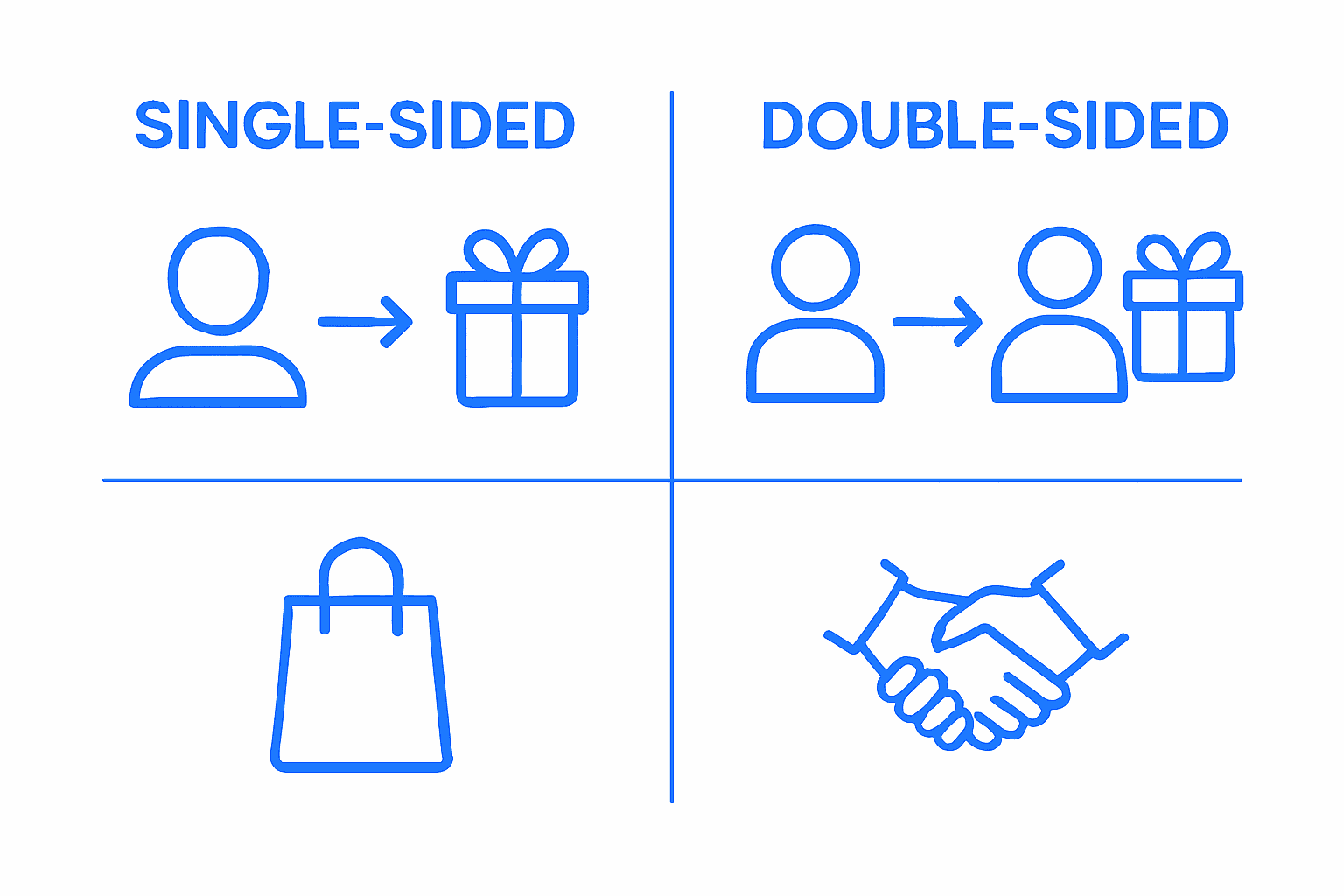
Here’s a comparison of common referral marketing models:
| Referral Model | Who Receives Rewards | Typical Incentives | Best Use Case |
|---|---|---|---|
| Single-sided | Referrer only | Cash, discounts | B2B services |
| Double-sided | Both referrer and new client | Mutual discounts, gifts | SaaS and subscriptions |
| Unincentivized | No direct rewards | Reputation, goodwill | High-trust networks |
Pro Tip: Design a Flexible Referral Framework: Create a referral program with multiple incentive tiers that can be customized based on the relationship and potential value of the professional connection, ensuring your approach remains adaptable and appealing to different types of referral sources.
How Referral Marketing Drives Warm Leads
Referral marketing represents a powerful mechanism for generating high-quality leads by tapping into the most valuable asset for solopreneurs: trusted professional networks. Warm lead generation strategies leverage existing relationships to dramatically increase the likelihood of client conversion. When a potential client receives a recommendation from someone they trust, the initial barriers of skepticism and uncertainty significantly diminish, creating a smoother path to engagement.
The psychological foundation of referral marketing lies in the power of social proof and personal endorsement. Potential clients are more likely to engage with a service when it comes recommended by a trusted colleague or friend. Customer relationship dynamics demonstrate that referral-based clients not only have higher initial trust but also tend to maintain more positive perceptions of the service, even when minor challenges arise. This inherent resilience makes referral leads substantially more valuable than those acquired through traditional cold outreach methods.
Independent professionals can optimize their warm lead generation by developing strategic referral ecosystems. This involves creating clear pathways for existing clients to introduce your services, establishing mutually beneficial referral incentives, and consistently delivering exceptional value that naturally encourages word-of-mouth recommendations. The key is to design a referral process that feels organic and genuine, rather than transactional or forced. By positioning yourself as a trusted resource within your professional network, you transform satisfied clients into active ambassadors who proactively seek opportunities to connect you with potential new clients.
Pro Tip: Build a Referral Relationship Map: Systematically document and nurture professional relationships, tracking potential referral sources and creating personalized follow-up strategies that make your network feel genuinely valued and motivated to recommend your services.
Essential Steps to Launch Referral Campaigns
Launching an effective referral campaign requires a strategic approach that goes beyond simple recommendations. Customer motivation analysis reveals that successful referral programs are built on understanding the underlying psychological drivers that compel individuals to share recommendations. Solopreneurs must design a campaign that provides clear value not just to the referrer, but also to the potential new client, creating a win-win scenario that naturally encourages network expansion.
The mechanics of a successful referral campaign involve developing a structured network-based mechanism that tracks and rewards referral activities. Referral network optimization demands careful consideration of incentive structures that motivate your existing clients to become active advocates for your services. This means creating tiered rewards that recognize different levels of referral contributions, whether through direct monetary compensation, service credits, or collaborative opportunities that provide tangible benefits to your most engaged network members.
Implementing a referral campaign requires a systematic approach that combines technical tracking with genuine relationship building. Independent professionals should focus on creating a transparent and easy-to-understand referral process that clearly communicates the benefits for all parties involved. This includes developing clear documentation of the referral program, setting up reliable tracking mechanisms, and establishing consistent communication channels that keep potential referrers informed and motivated. The goal is to transform your professional network from a passive contact list into an active, engaged community that sees genuine value in connecting you with potential clients.
Pro Tip: Personalize Referral Invitations: Craft individualized referral communications that highlight the specific value proposition for each potential referrer, demonstrating that you understand their unique professional context and network.
Common Pitfalls and How to Avoid Them
Referral marketing for solopreneurs is fraught with potential missteps that can undermine the entire strategy. Referral program authenticity hinges on maintaining a delicate balance between incentivization and genuine recommendation. The most critical error independent professionals make is designing referral programs that appear transactional rather than relationship-driven. When rewards become the primary motivation, the inherent trust that makes referrals powerful begins to erode, transforming what should be a meaningful professional introduction into a mere financial transaction.
Communication strategy selection represents another significant challenge for solopreneurs launching referral campaigns. Choosing the wrong referral approach can dramatically reduce effectiveness, particularly when the selected method does not align with the target audience’s communication preferences. Some professionals mistakenly adopt a one-size-fits-all strategy, failing to recognize that different professional networks respond differently to public versus private referral mechanisms. The key is developing a nuanced approach that respects the unique communication dynamics of your specific professional ecosystem.
Solopreneurs must also guard against common psychological pitfalls that can derail referral efforts. This includes overemphasizing monetary rewards, which can create perverse incentives that prioritize quantity over quality of referrals. Successful referral programs should instead focus on creating meaningful value propositions that align with professional relationships. This means designing incentives that go beyond simple financial compensation, such as collaborative opportunities, skill exchanges, or reputation enhancement within professional networks.
The table below summarizes pitfalls solopreneurs should watch for in referral campaigns:
| Pitfall | Consequence | Prevention Strategy |
|---|---|---|
| Overemphasis on rewards | Diminished trust and authenticity | Focus on relationship value |
| Improper communication channel | Reduced engagement | Match approach to audience preferences |
| One-size-fits-all program | Missed opportunities | Customize incentives for networks |
| Lack of tracking systems | Missed acknowledging referrers | Use referral tracking tools |
Pro Tip: Relationship Integrity Check: Regularly assess your referral program by asking trusted network members for candid feedback, ensuring that your approach remains genuine, transparent, and truly beneficial to all participants.
Unlock the True Power of Referral Marketing with Fluum
Referral marketing depends on creating authentic connections and turning trusted relationships into warm leads. If you struggle with managing referrals or fear your referral program feels transactional rather than genuine, you are not alone. The article highlights common pitfalls like overemphasizing rewards and lacking effective tracking which can damage trust and reduce engagement.
Fluum is designed to solve these exact challenges by becoming your AI-powered business development engine. Instead of cold outreach and generic rewards, Fluum uncovers high-intent opportunities within your existing network using advanced social intelligence. It automates warm introductions guided by behavioral signals, helping you build referral pathways organically while tracking and managing follow-ups seamlessly.
Ready to transform your referral marketing strategy into a consistent source of warm, high-quality leads?
Start now with Fluum’s flexible solutions for solopreneurs tailored to independent professionals seeking genuine connections and sustainable growth.
Discover how effortless warm introductions can be. Visit Fluum Pricing to learn more and begin turning relationships into revenue today.
Frequently Asked Questions
What is referral marketing?
Referral marketing is a strategic approach that encourages existing clients and professional connections to recommend your services to potential new customers, transforming them into active ambassadors for your brand.
How does referral marketing work for solopreneurs?
Referral marketing works for solopreneurs by leveraging existing professional networks to generate high-quality leads through trusted recommendations, which can significantly increase the likelihood of client conversion compared to traditional advertising.
What are the different types of referral marketing programs?
There are two primary types of referral marketing programs: single-sided, where only the referrer receives rewards, and double-sided, where both the referrer and the new client receive incentives, fostering a mutually beneficial relationship.
What are common pitfalls in referral marketing?
Common pitfalls in referral marketing include overemphasizing monetary rewards, which can diminish trust, using improper communication channels, and creating one-size-fits-all programs that fail to resonate with different networks. It’s essential to maintain authentic relationships and customize approaches to fit audience preferences.
Recommended
- 7 Effective Referral Marketing Ideas For Solopreneurs
- 7 Practical Referral Marketing Tips For Solopreneurs
- Fluum | Effective Stress Management Techniques for Busy Professionals
- Fluum | How to Onboard Clients Effectively for Lasting Success
- Fluum | Master Managing Multiple Projects for Success
- Fluum | Build Your Brand with a Branding Builder in 2025
- Fluum | 7 Customer Retention Examples to Boost Your Business