
| Key Insight | Explanation |
|---|---|
| Compliance events are buying signals | Regulatory changes, audits, and licensing requirements trigger urgent vendor searches in fintech, cybersecurity, and manufacturing. |
| Cold outreach fails in regulated markets | Decision-makers in compliance-heavy industries ignore unsolicited contact. Warm introductions convert at 40–50% vs. 2% for cold email. |
| Government registries are goldmines | Public databases like Companies House, FCA Register, and SEC EDGAR surface intent signals that standard prospecting tools miss entirely. |
| ICP precision matters more here | Regulatory compliance prospecting requires tighter ideal customer profiles because compliance timelines are non-negotiable and budgets are pre-approved. |
| Double opt-in introductions outperform lists | Mutual-consent introductions eliminate gatekeeping friction and deliver conversations with decision-makers who’ve already said yes. |
| AI-powered signal aggregation changes the game | Platforms pulling from 40+ private data vendors and 8 government registries surface compliance-driven buyers weeks before competitors spot them. |
Regulatory compliance prospecting is the practice of identifying and engaging potential buyers whose purchasing decisions are driven by regulatory obligations, compliance deadlines, or government mandates. It targets a specific, high-intent segment of the B2B market where urgency is built in and budget is rarely the obstacle. Sales teams that master this approach stop chasing unqualified leads and start reaching buyers who already need what they’re selling.
The difference between generic outbound and regulatory compliance prospecting is the signal layer. Standard prospecting asks “who might want this?” Compliance prospecting asks “who is legally required to act right now?” That shift in framing changes everything: the conversation, the timeline, and the conversion rate.
This guide covers how compliance-driven prospecting works in practice, why it outperforms cold outreach in regulated industries, and how AI-powered platforms are surfacing these buyers before your competitors even know they exist.

What Is Regulatory Compliance Prospecting?
Regulatory compliance prospecting is a targeted B2B sales strategy that uses regulatory events, government filings, and compliance obligations as intent signals to identify buyers who have an immediate, non-negotiable need for a product or service.
The Core Definition and Why It Matters
Regulatory compliance, as defined by Salesforce, refers to an organization’s commitment to adhere to relevant laws, regulations, industry standards, and guidelines [1]. Compliance prospecting takes that definition and flips it into a sales opportunity: every new regulation is a buying trigger for someone.
Think about what happens when a new financial services regulation drops. Firms scramble to find vendors for compliance software, risk management tools, audit support, and cybersecurity infrastructure. That scramble is a pipeline opportunity, but only for teams that see it coming.
According to Kiteworks, regulatory compliance covers adherence to laws set forth by governments and regulatory bodies across every sector [2]. The industries most affected include:
- Financial services and fintech (FCA, SEC, FINRA, MiFID II)
- Cybersecurity and data privacy (GDPR, CCPA, DORA, NIS2)
- Manufacturing and supply chain (ISO standards, environmental mandates)
- Healthcare and life sciences (HIPAA, FDA, MDR)
- Energy and mining (environmental permitting, ESG reporting requirements)
Who Buys Through Compliance Triggers
The decision-makers in these industries are not browsing vendor comparison sites. They’re responding to regulatory deadlines, board-level risk mandates, and enforcement actions. Research from Protechtgroup confirms that organizations face significant financial and reputational consequences for non-compliance, which means procurement timelines compress sharply when a regulatory event hits [3].
This is why regulatory compliance prospecting produces higher-quality pipeline than generic outbound. The buyer isn’t being persuaded to care. They’re already under pressure to act.
Pro Tip: Map your product’s value proposition directly to specific regulatory requirements your target buyers face. If you sell cybersecurity software, track NIS2 implementation deadlines across EU member states. Each deadline is a prospecting window with a hard close date.
How Regulatory Compliance Prospecting Works
Regulatory compliance prospecting works by monitoring government registries, public filings, and regulatory announcements to identify organizations that are actively facing compliance obligations, then matching those signals to your ideal customer profile.
The Signal Layer: Where the Data Comes From
The mechanics of compliance prospecting depend entirely on signal quality. Standard contact databases won’t cut it here. The most valuable signals come from sources most sales teams never touch:
- Government registries: Companies House (UK), FCA Register, SEC EDGAR, SIRENE (France), and similar public databases reveal licensing status, regulatory filings, and enforcement actions
- Regulatory announcements: New rules, consultation periods, and enforcement deadlines published by bodies like the FCA, SEC, and FINRA
- Private data vendors: Firmographic and technographic data that correlates with compliance investment cycles
- ESG reporting requirements: As of 2026, mandatory ESG disclosure frameworks are driving procurement cycles across manufacturing and energy sectors globally
- Court and enforcement records: Organizations under enforcement action are actively sourcing remediation vendors
The USGS risk and regulation framework illustrates how compliance timelines in regulated industries can extend well beyond the life of individual projects, meaning procurement windows are often predictable months in advance [4].
The Matching and Introduction Process
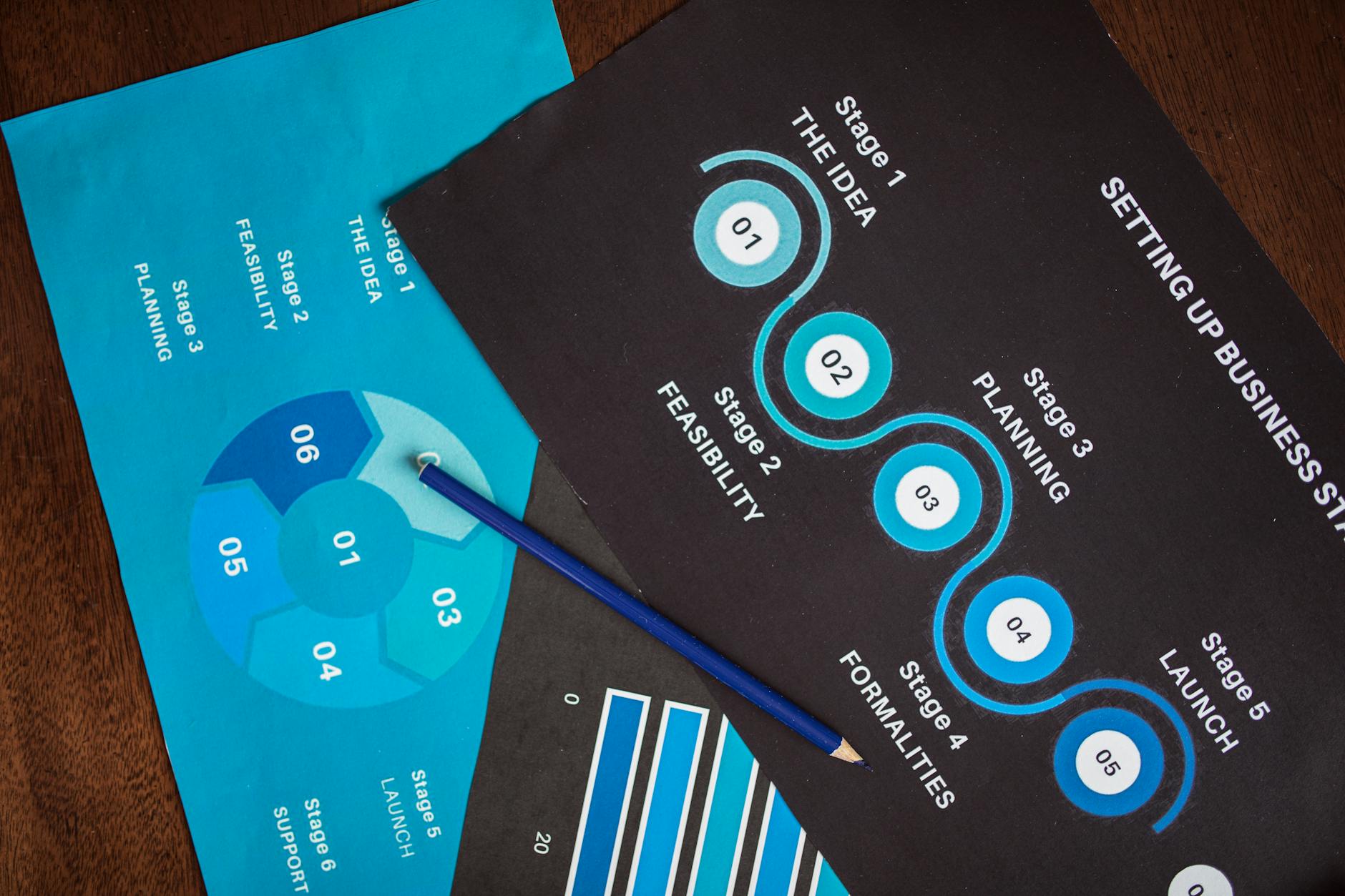
Once signals are identified, the prospecting process follows a structured sequence:
- Define your compliance-driven ICP: Specify which regulatory events, industries, and company sizes align with your product’s value
- Aggregate signals across data sources: Pull from government registries, private vendors, and regulatory calendars simultaneously
- Score and prioritize intent: AI agents rank prospects by urgency of compliance need, decision-maker accessibility, and fit with your offering
- Identify decision-maker paths: Map the organizational structure to reach compliance officers, CTOs, CFOs, or legal counsel depending on the regulatory trigger
- Facilitate a warm introduction: Use double opt-in mechanics to ensure both parties have confirmed interest before any conversation begins
- Deliver context-rich outreach: Reference the specific regulatory trigger in the introduction, not a generic pitch
This process is what separates regulatory compliance prospecting from cold outreach. Cold email ignores the buyer’s context. Compliance prospecting starts there.
Pro Tip: Set up regulatory calendar alerts for the jurisdictions your buyers operate in. The FCA, SEC, and European Banking Authority all publish forward-looking regulatory agendas. A 90-day lead time on a compliance deadline is a 90-day prospecting window.
Key Benefits of Compliance-Driven Prospecting
Compliance-driven prospecting delivers higher conversion rates, shorter sales cycles, and more predictable pipeline because the buyer’s urgency is externally mandated rather than manufactured by your sales team.
Why Compliance Buyers Convert Faster
The economics of regulatory compliance prospecting are fundamentally different from generic outbound. Here’s why:
| Prospecting Approach | Average Reply Rate | Sales Cycle Length | Budget Pre-Approval | Buyer Urgency |
|---|---|---|---|---|
| Cold email outreach | ~2% | Long (6–12 months) | Rarely | Low (manufactured) |
| LinkedIn cold outreach | 3–5% | Medium–Long | Rarely | Low–Medium |
| Warm introductions (general) | 20–30% | Medium | Sometimes | Medium |
| Regulatory compliance prospecting + warm intro | 40–50% | Short–Medium | Often (compliance budgets) | High (deadline-driven) |
Compliance budgets are a distinct category in most regulated organizations. A Chief Compliance Officer (CCO) doesn’t need to justify a vendor purchase to the CFO when a regulatory deadline is the driver. The budget already exists. Your job is to reach the right person at the right time.
Structural Advantages Over Traditional Outbound
The structural benefits of this approach extend beyond reply rates:
- Reduced objection handling: Buyers in compliance cycles aren’t debating whether they need a solution. They’re evaluating which solution to choose.
- Higher deal values: Compliance projects often involve enterprise-level contracts with multi-year terms and implementation services
- Faster stakeholder alignment: Regulatory mandates create internal urgency that sales teams can’t manufacture on their own
- Predictable pipeline timing: Regulatory calendars are public. You can forecast when procurement windows will open months in advance.
- Access to decision-makers: Compliance purchases often bypass procurement and go directly to C-suite or board level, shortening approval chains
Industry analysts consistently note that B2B buyers are significantly more likely to engage when introduced through a trusted third party rather than cold contact. Regulatory compliance prospecting combined with warm introductions stacks both advantages: the buyer needs to act, and they’re being reached through a channel they trust.
According to Optro, organizations that treat compliance proactively rather than reactively achieve better operational outcomes and stronger vendor relationships [5]. Sales teams that align with proactive compliance buyers find shorter, more collaborative sales processes.
Common Challenges and Mistakes in 2026
The most common failure in regulatory compliance prospecting is treating compliance signals as just another data point in a cold outreach sequence, which destroys the context that makes these signals valuable in the first place.
Mistakes That Kill Compliance Pipeline
From experience working with fintech and cybersecurity sales teams, the same errors appear repeatedly:
- Generic messaging despite specific signals: Knowing a company just received an FCA enforcement notice and sending a boilerplate cold email anyway is worse than not knowing at all. The buyer sees the disconnect immediately.
- Targeting the wrong decision-maker: Compliance purchases involve multiple stakeholders. Reaching a mid-level analyst when the CCO or General Counsel controls the budget wastes the signal entirely.
- Ignoring the CAN-SPAM and GDPR context: The FTC’s CAN-SPAM Act guidelines and GDPR Article 6 impose strict requirements on commercial outreach [6]. Ironically, teams prospecting into compliance-heavy industries often violate compliance rules in their own outreach.
- Relying on a single data source: Companies House alone, or SEC EDGAR alone, gives you a fragment of the picture. Effective compliance prospecting aggregates signals across multiple government registries and private vendors simultaneously.
- Moving too slowly: Compliance deadlines are fixed. A prospect who needs a vendor by Q3 is not a Q4 opportunity. Timing is the entire advantage.
Misconceptions About Compliance Prospecting
A common misconception is that this approach only works for compliance software vendors. That’s wrong. Any product that reduces operational risk, improves data governance, automates reporting, or supports audit readiness is a compliance-adjacent solution.
Another misconception is that government registry data is too slow or too sparse to be actionable. As of 2026, AI-powered platforms aggregating from 40+ private data vendors alongside registries like Companies House and SIRENE surface signals in near real-time, not weeks after the fact.
One limitation worth acknowledging: results depend heavily on ICP precision. Broad targeting across all regulated industries dilutes the signal advantage. The more specifically you define which regulatory event triggers a buying need for your product, the more valuable the prospecting data becomes.
Pro Tip: If you’re a senior leader or C-suite executive reading this, talk to Aurora at Fluum and tell us who you’re looking to meet next. We’ll make sure to send you only what’s relevant to your specific compliance market and buyer profile.
Best Practices for Regulatory Compliance Prospecting in 2026
Effective the practice in 2026 requires combining AI-powered signal aggregation with warm introduction mechanics to reach decision-makers before competitors even identify the opportunity.
Building a Compliance Prospecting Framework
At Fluum, we’ve found that the teams generating the most consistent compliance-driven pipeline follow a structured framework rather than an ad hoc approach. The core components are:
- Regulatory calendar mapping: Build a 12-month forward view of regulatory deadlines relevant to your ICP. Include implementation dates, consultation close dates, and enforcement start dates across every jurisdiction your buyers operate in.
- Multi-registry signal aggregation: Don’t rely on one database. Cross-reference Companies House, FCA Register, SEC EDGAR, SIRENE, and relevant private data vendors to build a complete picture of each prospect’s compliance status.
- AI-powered intent scoring: Use AI agents to score prospects by urgency of compliance need, organizational size, decision-maker accessibility, and historical procurement behavior. Not every compliance signal is equal.
- Decision-maker path mapping: Identify the specific individual who controls compliance vendor selection. In financial services, this is typically the CCO or Head of Regulatory Affairs. In manufacturing, it’s often the VP of Operations or Chief Risk Officer.
- Warm introduction delivery: Facilitate a double opt-in introduction that references the specific regulatory context. Both parties confirm interest before any conversation begins. This is what drives 40–50% reply rates vs. 2% for cold email.
- Context-rich framing: The introduction must reference the specific regulation, the deadline, and the relevance of your solution to that exact situation. Generic pitches waste compliance signals.
Tools and Data Sources That Work in 2026
The Ricoh compliance guide emphasizes that effective compliance management requires proactive monitoring rather than reactive response [7]. The same principle applies to compliance prospecting.
Effective data sources as of 2026 include:
- Companies House (UK entity filings, director changes, filing status)
- FCA Register (authorized firm status, regulatory actions, permission changes)
- SEC EDGAR (US public company filings, enforcement actions, 8-K material events)
- SIRENE (French business registry for EU market entry prospecting)
- GAN Integrity’s compliance monitoring frameworks for supply chain risk [8]
- Private ESG data vendors tracking mandatory sustainability reporting adoption
- Technographic data identifying companies using legacy compliance systems due for replacement
The Grand View Research ESG compliance market report projects the global ESG compliance market reaching $9.55 billion by 2033, growing from $4.53 billion in 2024 [9]. That growth trajectory represents a massive compliance prospecting opportunity for vendors in sustainability reporting, audit, and risk management.
| Regulatory Trigger | Target Industry | Decision-Maker | Prospecting Window |
|---|---|---|---|
| FCA authorization renewal | Financial services / fintech | CCO, Head of Compliance | 90–120 days before renewal |
| SEC EDGAR material event filing | US public companies | CFO, General Counsel | Immediate (within 2 weeks of filing) |
| DORA implementation deadline | EU financial entities | CTO, CISO, Head of IT Risk | 6–12 months before deadline |
| ESG mandatory reporting trigger | Manufacturing, energy | VP Sustainability, CFO | 12–18 months before first filing |
| Enforcement action or fine | Any regulated industry | CEO, General Counsel, CCO | Immediate (within 30 days) |

Our team at Fluum recommends treating each regulatory trigger type as its own prospecting campaign with a dedicated message framework, a specific decision-maker target, and a defined prospecting window. One-size-fits-all compliance prospecting is just cold outreach with a compliance veneer.
Sources & References
- Salesforce Asia, “What is Regulatory Compliance?”, 2026
- Kiteworks, “Regulatory Compliance: Benefits, Strategies & Challenges”, 2026
- Protechtgroup, “What is Regulatory Compliance? A Complete Guide for Businesses”, 2026
- USGS, “Risk and Regulation in the Mining Industry”, 2011
- Optro, “Regulatory Compliance: Overview and Guide”, 2026
- FTC, “CAN-SPAM Act: A Compliance Guide for Business”, 2026
- Ricoh USA, “What is Regulatory Compliance? Meaning and Best Practices Guide”, 2026
- GAN Integrity, “Compliance Best Practices for the Mining Industry”, 2026
- Grand View Research, “ESG Compliance In Mining Market: Industry Report, 2033”, 2026
Frequently Asked Questions
1. What is regulatory compliance prospecting?
this practice is a B2B sales strategy that uses regulatory events, government filings, and compliance deadlines as intent signals to identify and engage buyers who have an immediate, non-negotiable need for a product or service. It targets organizations in regulated industries like fintech, cybersecurity, and manufacturing where compliance obligations create predictable, deadline-driven procurement cycles.
2. Which industries benefit most from compliance-driven prospecting?
Financial services, fintech, cybersecurity, manufacturing, healthcare, and energy sectors benefit most. These industries face mandatory regulatory frameworks (FCA, SEC, DORA, GDPR, HIPAA, ISO standards) that create recurring procurement cycles. Vendors offering compliance software, risk management tools, audit support, cybersecurity infrastructure, and ESG reporting solutions find the highest concentration of compliance-triggered buying signals in these verticals.
3. How is regulatory compliance prospecting different from standard B2B prospecting?
Standard B2B prospecting tries to create interest in a buyer who may or may not have a need. this method targets buyers who are already under legal or regulatory pressure to act. The buying urgency is externally mandated, not manufactured. This means shorter sales cycles, pre-approved compliance budgets, and significantly higher conversion rates when the right solution reaches the right decision-maker at the right time.
4. What data sources are most valuable for compliance prospecting?
Government registries are the highest-signal sources: Companies House, FCA Register, SEC EDGAR, and SIRENE surface licensing status, enforcement actions, and filing events in near real-time. These should be combined with private data vendors covering technographics, firmographics, and ESG reporting adoption. AI platforms that aggregate across 40+ such sources simultaneously surface compliance signals weeks before they appear in standard contact databases.
5. Why do cold emails fail in regulated industries?
Decision-makers in compliance-heavy industries (CCOs, General Counsel, CISOs) receive high volumes of unsolicited outreach and apply strict filters to protect their time. Cold emails average a 2% reply rate industry-wide. In regulated industries, that rate is often lower because these buyers are specifically trained to be cautious about unsolicited vendor contact. Warm introductions with double opt-in mechanics bypass this barrier entirely, delivering 40–50% reply rates.
6. How does double opt-in work in compliance prospecting?
Double opt-in means both the buyer and the seller confirm interest before any introduction is made. The platform presents the opportunity to each party independently. Only when both sides say yes does the introduction proceed. This eliminates the cold-contact dynamic entirely. The buyer isn’t being ambushed. They’ve already indicated they’re open to the conversation, which is why reply rates are dramatically higher than cold outreach.
7. What role does AI play in regulatory compliance prospecting?
AI agents score intent signals from government registries and private data vendors, map decision-maker paths within target organizations, and rank prospects by urgency of compliance need. In 2026, the most advanced platforms use AI to surface compliance-triggered buying signals across 40+ data sources simultaneously, identify the specific decision-maker controlling vendor selection, and facilitate context-rich warm introductions that reference the exact regulatory trigger driving the buyer’s need.
8. How do I measure the success of a compliance prospecting program?
Track reply rate on introductions (benchmark: 40–50% for warm introductions vs. 2% for cold email), qualified meeting conversion rate, average sales cycle length compared to your baseline, average deal value for compliance-triggered opportunities, and pipeline predictability against your regulatory calendar. Compliance prospecting should produce shorter cycles, higher deal values, and more predictable quarterly pipeline than generic outbound programs.
Conclusion
this strategy is the most structurally sound pipeline strategy available to B2B sales teams selling into regulated markets. The buyer’s urgency is built in. The budget is pre-approved. The timeline is fixed by law. Your job is to reach the right decision-maker before the deadline closes the window.
Cold outreach doesn’t work in these markets. The decision-makers you need are too busy, too cautious, and too well-trained to respond to unsolicited contact. Warm introductions, backed by AI-powered signal aggregation from government registries and private data vendors, change the entire dynamic.
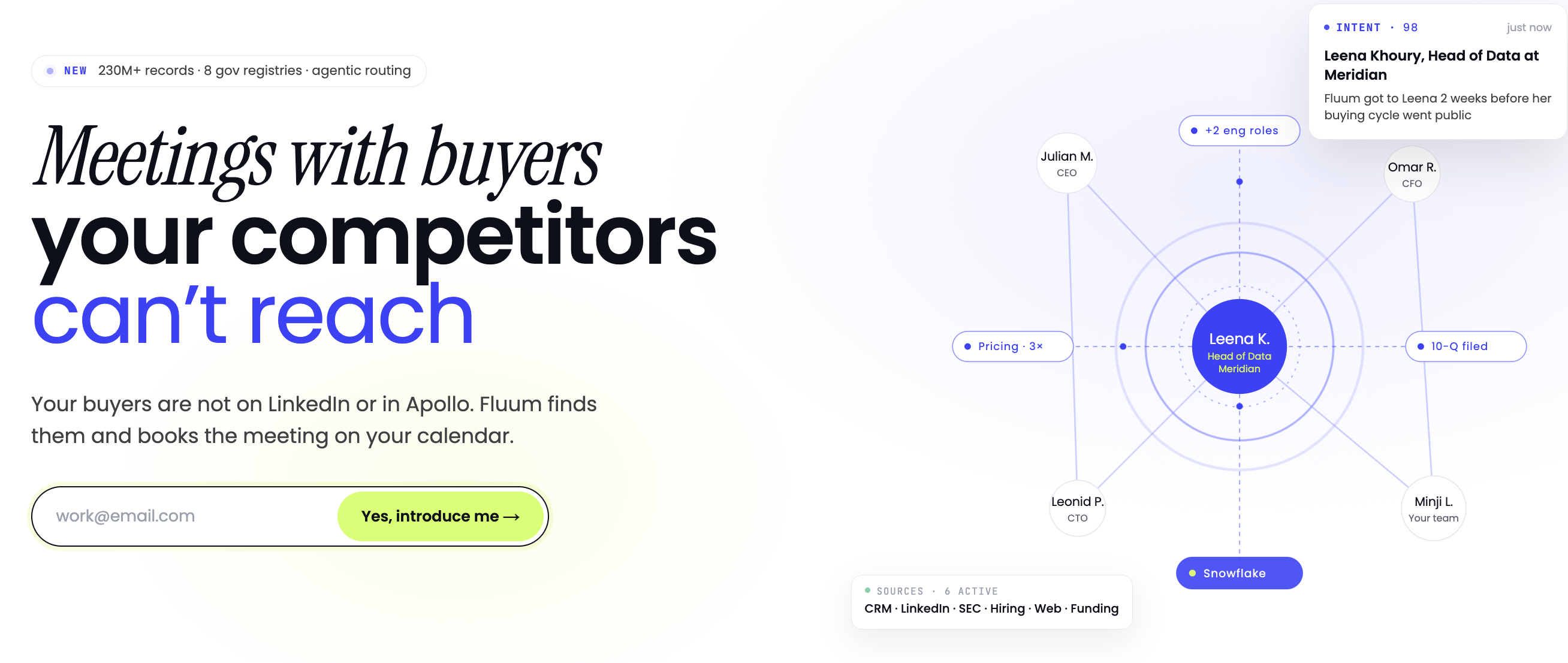
Fluum builds buyer graphs from 40+ private data vendors and 8 government registries, including Companies House, FCA Register, SEC EDGAR, and SIRENE. AI agents score compliance intent signals, surface decision-maker paths, and deliver warm double opt-in introductions across fintech, cybersecurity, manufacturing, and regulated industries. The result is this approach that converts at 40–50%, not 2%. If you’re a senior leader looking to build pipeline in a regulated market, the signal is already there. Fluum finds it first.
Recommended Articles
Explore more from our content library: