

Let’s learn how to do a client follow-up process. Over 80 percent of American businesses say they lose potential clients because of poor follow-up routines. In a world where every interaction counts, having an intentional process for staying connected can set you apart. This guide demystifies the journey from first contact to conversion, showing you exactly how a consistent follow-up system helps build genuine relationships and drive results.
Table of Contents
- Step 1: Set Up Your Follow-Up System
- Step 2: Personalize Every Client Touchpoint
- Step 3: Send Timely Follow-Up Messages
- Step 4: Track Responses and Engagement
- Step 5: Refine Tactics Based on Results
Quick Summary
| Key Insight | Explanation |
|---|---|
| 1. Segment Your Contacts | Group prospects by engagement level to tailor follow-ups effectively. This increases personal connection and response rates. |
| 2. Personalize Communication | Use insights about clients to craft unique messages that resonate. This builds trust and enhances their experience. |
| 3. Send Timely Follow-Ups | Follow up within 24-48 hours initially, and every 3-5 days thereafter. Consistent timing keeps you relevant without being overwhelming. |
| 4. Track Engagement Metrics | Monitor open rates and response times to identify effective strategies. Use this data to refine your outreach over time. |
| 5. Regularly Refine Tactics | Conduct quarterly reviews of follow-up strategies and adjust based on learned insights for continuous improvement. |
Step 1: Set Up Your Follow-Up System
Building a strategic follow-up system transforms random client interactions into predictable conversions. Your goal is creating a repeatable process that nurtures potential clients without feeling pushy or desperate.
Start by segmenting your contacts into clear categories based on their engagement level. Research suggests maintaining contact every 42-78 hours to keep momentum and demonstrate consistent professional interest. Map out different communication pathways for prospects who have:
- Expressed initial interest
- Requested more information
- Attended a discovery call
- Received a proposal
Next, design templated yet personalized communication scripts for each segment. These templates should feel authentic while saving you time. Include specific questions that show you understand their unique challenges. Personalization increases response rates dramatically by making potential clients feel truly heard.
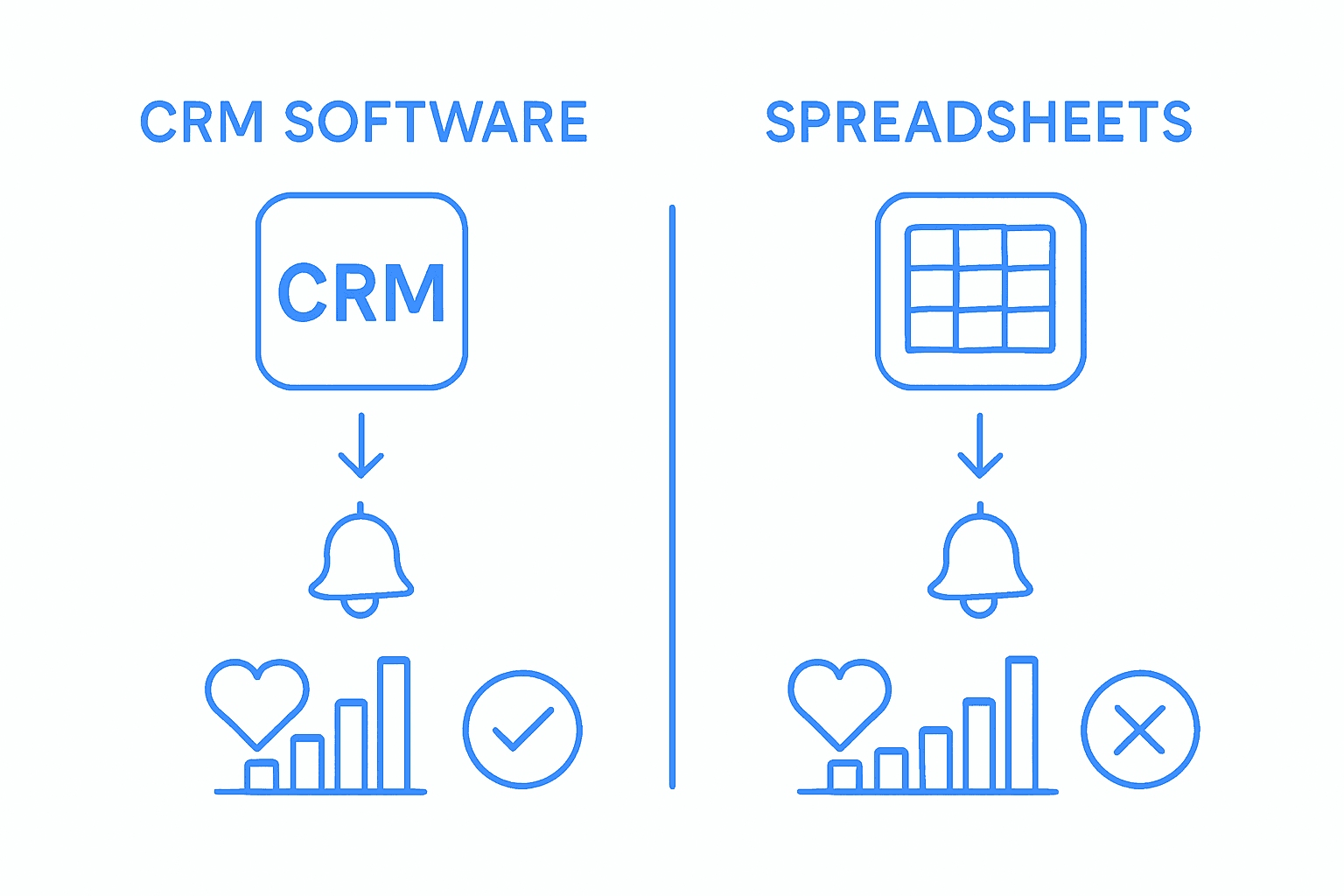
Pro Tip: Create a simple spreadsheet or use a CRM tool to track each prospect’s journey. Note interaction dates, communication preferences, and specific pain points to customize your follow-up approach effectively.
Here’s a summary of common follow-up system tools and their benefits:
| Tool Type | Key Functionality | Business Impact |
|---|---|---|
| CRM Software | Automates client tracking | Improves follow-up consistency |
| Spreadsheets | Manages contact data | Offers flexibility for customization |
| Email Automation | Schedules messages promptly | Increases efficiency and speed |
| Digital Calendar | Sets follow-up reminders | Reduces missed opportunities |
Remember that follow-up is about building relationships. Your system should prioritize genuine connection over pure sales tactics.
Step 2: Personalize Every Client Touchpoint
Personalization transforms ordinary client interactions into memorable experiences that drive engagement and loyalty. Your mission is crafting unique communication strategies that make each client feel understood and valued.
Research reveals that understanding customer journeys and leveraging data analytics can dramatically improve client engagement. Begin by mapping out every potential interaction point personal or digital. These touchpoints might include:
- Initial contact emails
- Discovery call communications
- Proposal presentations
- Follow-up messages
- Project update communications
Tailor your approach for each touchpoint by collecting insights about client preferences. This means going beyond basic demographic information and understanding their communication style, professional challenges, and specific goals. Ask targeted questions during initial conversations that reveal deeper motivations. Are they seeking efficiency? Cost reduction? Strategic growth? Your communication should directly address these underlying needs.
Pro Tip: Create a simple client profile template that captures not just contact details but also communication preferences, key pain points, and personal insights gathered during interactions.
Remember that personalization is an ongoing process. Continuously refine your approach by tracking client responses and adapting your communication style accordingly.
Step 3: Send Timely Follow-Up Messages
Sending follow-up messages is an art of strategic timing and thoughtful communication. Your goal is to stay present in your client’s mind without overwhelming them with excessive outreach.
Effective follow-up strategies recommend initial contact within 24 to 48 hours and subsequent touchpoints every 3 to 5 days. Create a structured communication timeline that adapts to each client’s unique engagement level. For proposals or initial consultations, send a brief thank you message within 24 hours. Include a specific reference to your conversation to demonstrate active listening. Your follow-up should:
- Acknowledge previous discussion points
- Reaffirm your understanding of their needs
- Suggest potential next steps
- Provide additional value through insights or resources
Craft messages that feel personal and relevant. Avoid generic templates that sound robotic. Instead, reference specific details from your previous interaction. If a potential client mentioned a specific business challenge during your discovery call, address that directly in your follow-up. This approach shows you were genuinely paying attention and are invested in their success.
Pro Tip: Use a digital calendar or CRM system to set automatic reminders for follow-up intervals, ensuring you never miss a critical communication window.
Remember that timing and relevance are more important than frequency. Quality always trumps quantity in client communication.
Step 4: Track Responses and Engagement
Tracking client responses transforms your follow-up strategy from guesswork to a data driven approach. Understanding how potential clients interact with your communication is the key to refining your outreach and increasing conversion rates.
Analyzing performance metrics like open rates, response rates, and conversion data provides critical insights into the effectiveness of your follow-up strategies. Start by establishing key performance indicators for your follow-up process. These might include:
- Email open rates
- Response time
- Number of interactions before a sale
- Conversion percentage
- Client engagement duration
Implement a systematic tracking method using customer relationship management (CRM) tools or spreadsheet systems. Monitor patterns in client interactions that signal high potential or potential disengagement. Pay attention to subtle indicators like response tone, time between communications, and depth of interaction. A client who responds quickly and with detailed questions is demonstrating different engagement signals compared to someone who sends brief or delayed responses.
Pro Tip: Create a scoring system that assigns numerical values to different engagement signals, allowing you to quickly prioritize and categorize potential clients based on their interaction quality.
Remember that tracking is not about overwhelming data collection but about gaining actionable insights that help you communicate more effectively.
Step 5: Refine Tactics Based on Results
Improving your client follow-up strategy is an ongoing process of analysis, adaptation, and continuous learning. Your goal is to transform raw data into actionable insights that consistently enhance your communication approach.
Measuring and adjusting follow-up strategies requires tracking specific performance indicators to improve client engagement and conversion rates. Begin by conducting regular comprehensive reviews of your follow-up performance. Look beyond surface level metrics and dig into the nuanced signals that reveal true client interaction quality. Analyze patterns such as:
- Which message types generate the most responses
- Time intervals that produce optimal engagement
- Communication styles that resonate with different client segments
- Conversion rates for various follow-up approaches
Create a quarterly review process where you critically evaluate your current follow-up tactics. Experiment with small modifications to your approach and carefully document the results. This might involve adjusting email subject lines, testing different communication frequencies, or refining your message tone. Treat each interaction as a learning opportunity, understanding that client preferences evolve continuously.
Pro Tip: Develop a dynamic feedback loop where you regularly solicit direct input from clients about their communication preferences, using short surveys or direct conversations to supplement your performance metrics.
This table highlights performance metrics for refining your follow-up strategy:
| Metric | What It Measures | Improvement Value |
|---|---|---|
| Open Rate | Email visibility | Adjusts messaging style |
| Response Time | Speed of replies | Identifies engagement level |
| Interaction Count | Number of touchpoints | Refines communication frequency |
| Conversion Rate | Leads to client ratio | Evaluates overall approach |
| Feedback Score | Client satisfaction | Guides communication improvement |
Remember that refinement is not about chasing perfection but about making consistent incremental improvements to your client communication strategy.
Enhance Your Follow-Up Strategy with AI-Powered Warm Intros
Mastering the client follow-up process means overcoming challenges like inconsistent outreach, personalization fatigue, and tracking every engagement effectively. The article highlights critical elements such as setting up a repeatable follow-up system, personalizing client touchpoints, and refining tactics based on real data. These steps can be overwhelming without the right tools to identify high-intent clients and automate meaningful introductions.
With Fluum, you gain more than just automatic follow-ups. Our AI co-founder uncovers hidden opportunities in your network by analyzing behavioral signals and buying intent. It helps you personalize outreach naturally by creating warm introductions to potential clients who are actively seeking your services. This approach cuts through the noise of cold outreach and puts you in control of building genuine relationships that convert. Start transforming your client follow-up process now by exploring our pricing options.
Don’t let missed follow-ups hold you back. Discover how Fluum can support your journey to consistent client engagement and higher conversion rates today. Visit Fluum Pricing to get started and turn every lead into a lasting opportunity.
Frequently Asked Questions
How can I create an effective client follow-up system?
To create an effective client follow-up system, segment your contacts based on their engagement level and develop personalized communication templates for each group. Start by mapping out different pathways for prospects who have shown varying interest levels and engage regularly every 42-78 hours to maintain momentum.
What should I include in my follow-up messages to increase conversions?
Include specific references to previous discussions in your follow-up messages to demonstrate your attentiveness and understanding of the client’s needs. Suggest clear next steps and provide additional resources or insights that add value to the conversation, ensuring your communication feels personal and relevant.
How often should I follow up with potential clients?
Send your initial follow-up within 24-48 hours after an interaction and schedule subsequent messages every 3-5 days, adjusting this timeline based on the client’s engagement level. For example, if a client shows quick responses, maintain a tight follow-up schedule to stay top of mind while avoiding overwhelming them.
What metrics should I track in my follow-up process?
Track key metrics such as email open rates, response times, and conversion rates to evaluate the effectiveness of your follow-up strategies. This data will help you identify patterns and adjust your approach, ultimately enhancing client engagement and boosting conversion rates.
How can I personalize my follow-up communication?
Personalize your follow-up communication by gathering insights about your clients’ preferences and challenges during initial interactions. Tailor each message by referencing specific details relevant to their situation, ensuring they feel valued and understood, which can significantly improve response rates.
What steps should I take to refine my follow-up strategy?
Regularly review your follow-up performance and analyze the results to identify what is working and what needs improvement. Make small adjustments to your communication style or frequency, and implement feedback mechanisms to learn directly from clients, refining your approach over time.
Recommended
- Client Outreach Workflow Guide | Solopreneurs Guide
- Understanding Lead Nurturing Strategies For Growth
- How To Onboard Clients Effectively For Lasting Success
- Understanding the Importance of Customer Communication – My WordPress
- Fluum | Effective Stress Management Techniques for Busy Professionals
- Fluum | How to Onboard Clients Effectively for Lasting Success
- Fluum | Master Managing Multiple Projects for Success
- Fluum | Build Your Brand with a Branding Builder in 2025
- Fluum | 7 Customer Retention Examples to Boost Your Business