

Over 80 percent of American consulting clients say they are most influenced by peer recommendations and clear success stories when choosing a partner. In a crowded market, trust has become the true currency, and authentic validation often outweighs traditional sales pitches. Discover how understanding and using social proof sets the foundation for stronger client relationships and measurable results in the American consulting world.
Table of Contents
- Defining Social Proof in Consulting
- Types of Social Proof for Consultants
- How Social Proof Builds Client Trust
- Leveraging Networks and Referral Pathways
- Common Mistakes When Using Social Proof
Key Takeaways
| Point | Details |
|---|---|
| Social Proof Importance | Social proof is essential in consulting, as it helps potential clients validate a consultant’s credibility through real-world results and testimonials. |
| Types of Social Proof | Effective social proof includes client testimonials, case studies, performance metrics, and professional certifications that collectively build trust. |
| Trust Building Strategies | Demonstrating past successes and engaging narratives help reduce client uncertainty and foster reliability in a consultant’s capabilities. |
| Common Mistakes | Avoid superficial approaches to social proof; ensure testimonials are specific, updated, and represent diverse client backgrounds to build genuine trust. |
Defining Social Proof in Consulting
Social proof represents a powerful psychological mechanism where individuals make decisions by observing and mimicking the actions of others. In consulting, this principle translates into potential clients seeking validation through the experiences and testimonials of previous successful engagements. Psychological decision making patterns reveal that people inherently trust recommendations from peers and proven results over traditional marketing claims.
The core of social proof in consulting centers on demonstrating credibility through tangible evidence. This means showcasing client success stories, quantifiable outcomes, detailed case studies, and authentic testimonials that highlight specific problem solving capabilities. Client experiences and endorsements serve as critical trust signals that help potential clients understand the real world impact of a consultant’s expertise.
Within consulting, social proof manifests through multiple channels:
- Documented client case studies with measurable results
- Direct testimonials from recognizable industry professionals
- Performance metrics and statistical improvements achieved
- Professional awards and third party recognitions
- Speaking engagements and published thought leadership content
Pro Tip: Strategic Collection: Systematically collect and curate client success stories immediately after project completion, capturing precise metrics and emotional narrative elements that demonstrate your unique consulting value.
Types of Social Proof for Consultants
Social proof in consulting represents a strategic approach to building credibility and attracting potential clients through authentic demonstration of expertise. Consulting credibility strategies encompass multiple powerful channels that help professionals establish trust and showcase their unique value proposition. These evidence-based methods go beyond simple marketing claims, providing tangible proof of a consultant’s capability to deliver meaningful results.
The most effective types of social proof for consultants include:
- Client Testimonials: Personal accounts highlighting specific problem solving approaches and outcomes
- Detailed Case Studies: Comprehensive narratives demonstrating measurable client transformations
- Client Logos: Visual representations of reputable organizations worked with
- Performance Metrics: Quantifiable data showing concrete improvements achieved
- Professional Certifications: Third party validations of expertise and professional standards
- Media Mentions: External recognition from industry publications and platforms
Professional endorsement techniques reveal that potential clients are more likely to engage with consultants who can substantiate their claims through diverse and credible evidence. Each type of social proof serves a unique purpose in establishing professional reputation, with some appealing to emotional validation while others target data driven decision makers.
Here is a summary of how different types of social proof contribute to consulting success:
| Social Proof Type | Trust Building Mechanism | Ideal Audience |
|---|---|---|
| Client Testimonials | Creates emotional credibility | Prospects seeking reassurance |
| Case Studies | Demonstrates data-driven results | Analytical decision makers |
| Client Logos | Shows association with reputable brands | Industry-focused clients |
| Media Mentions | Provides external validation | Broad market awareness |
| Certifications | Ensures professional standards | Risk-averse clients |

Pro Tip: Strategic Compilation: Create a dynamic portfolio that rotates different social proof elements, ensuring you showcase varied testimonials and case studies that align with specific client industries and challenges.
How Social Proof Builds Client Trust
Client trust emerges through strategic demonstration of past successes and authentic experiences. Psychological mechanisms of trust building reveal that potential clients fundamentally seek reassurance through evidence of previous positive outcomes. By showcasing concrete results and testimonials, consultants can effectively reduce uncertainty and create a sense of reliability that transforms initial skepticism into genuine confidence.
The trust-building process involves multiple psychological triggers:
- Reducing perceived risk through verified client experiences
- Providing tangible evidence of problem solving capabilities
- Demonstrating consistent professional performance
- Creating emotional connection through relatable success stories
- Establishing credibility through third party validation
- Addressing potential client concerns proactively
Strategic testimonial presentation plays a critical role in transforming potential client hesitation into enthusiastic engagement. Powerful narratives that highlight specific challenges, detailed solutions, and measurable outcomes help prospects visualize their own potential transformation. When potential clients can see themselves reflected in previous success stories, the psychological barrier to engagement dramatically decreases.

Pro Tip: Narrative Alignment: Craft testimonials that not only showcase results but also match the specific pain points and industry challenges of your target client demographic, creating immediate resonance and trust.
Leveraging Networks and Referral Pathways
Successful consultants recognize that professional networks represent powerful conduits for generating high quality client opportunities. Dynamics of information flow and influence demonstrate that strategic network engagement can transform passive connections into active referral engines. By understanding how professional relationships create cascading opportunities, consultants can systematically expand their reach beyond traditional marketing approaches.
Effective network leveraging involves multiple strategic approaches:
- Cultivating deep relationships with existing clients
- Identifying and engaging opinion leaders within professional ecosystems
- Creating value through consistent knowledge sharing
- Developing a reputation for solving complex problems
- Maintaining consistent communication with past collaborators
- Participating actively in professional communities and forums
The referral pathway is not simply about collecting contacts but about building meaningful professional relationships that naturally generate trust and recommendations. Referral marketing strategies reveal that intentional relationship management can exponentially increase the likelihood of receiving quality introductions. Successful consultants treat their professional network as a collaborative ecosystem where mutual value creation becomes the primary currency of interaction.
Pro Tip: Network Nurturing: Dedicate at least 30 minutes weekly to personally reaching out to three professional contacts, offering genuine value without immediate expectation of return, creating long term relationship momentum.
Common Mistakes When Using Social Proof
Consultants often undermine their credibility by approaching social proof superficially, creating barriers instead of building trust. Ineffective testimonial strategies frequently stem from a lack of strategic understanding about how potential clients evaluate professional capabilities.
Key mistakes that significantly diminish social proof effectiveness include:
- Using vague, generic testimonials without specific outcomes
- Featuring testimonials that lack quantifiable results
- Hiding social proof in isolated website sections
- Presenting outdated or irrelevant client references
- Neglecting to refresh and update social proof content
- Fabricating or exaggerating client experiences
- Failing to represent diverse client backgrounds
Website social proof integration requires a holistic approach that strategically weaves credibility signals throughout a consultant’s digital presence. Potential clients seek authentic, detailed narratives that demonstrate real problem solving capabilities. Superficial or scattered social proof signals can actually reduce trust rather than enhance professional reputation.
Here is a comparison of effective vs. ineffective social proof practices for consultants:
| Practice Aspect | Effective Approach | Ineffective Approach |
|---|---|---|
| Testimonial Detail | Includes metrics and specific outcomes | Vague, generic statements |
| Placement | Integrated throughout digital presence | Hidden on isolated pages |
| Refresh Frequency | Reviewed and updated regularly | Outdated or stale content |
| Client Diversity | Represents various sectors and challenges | Focused on a single client type |
Pro Tip: Authenticity Audit: Conduct a quarterly review of your social proof materials, ensuring each testimonial includes specific challenges solved, measurable outcomes, and genuine client perspectives that reflect your current service offerings.
Harness Social Proof with Intelligent Warm Introductions
Building authentic trust and unlocking referral pathways are crucial challenges for consultants striving to convert social proof into real client engagements. This article highlights how emotional connection, detailed testimonials, and strategic network nurturing create the foundation for credibility. Yet managing these relationships manually can be time consuming and challenging when trying to identify high-intent clients within a broader network.
Fluum solves this by acting as your AI-powered business development engine. It surfaces warm introductions from your existing professional ecosystem based on social intelligence and behavioral signals. You no longer need to rely on cold outreach or fragmented testimonial efforts. Instead, Fluum automates personalized referrals that align with the deep trust-building strategies discussed here, converting potential clients into revenue faster.
Ready to put social proof to work and grow your consulting business effortlessly Try Fluum today
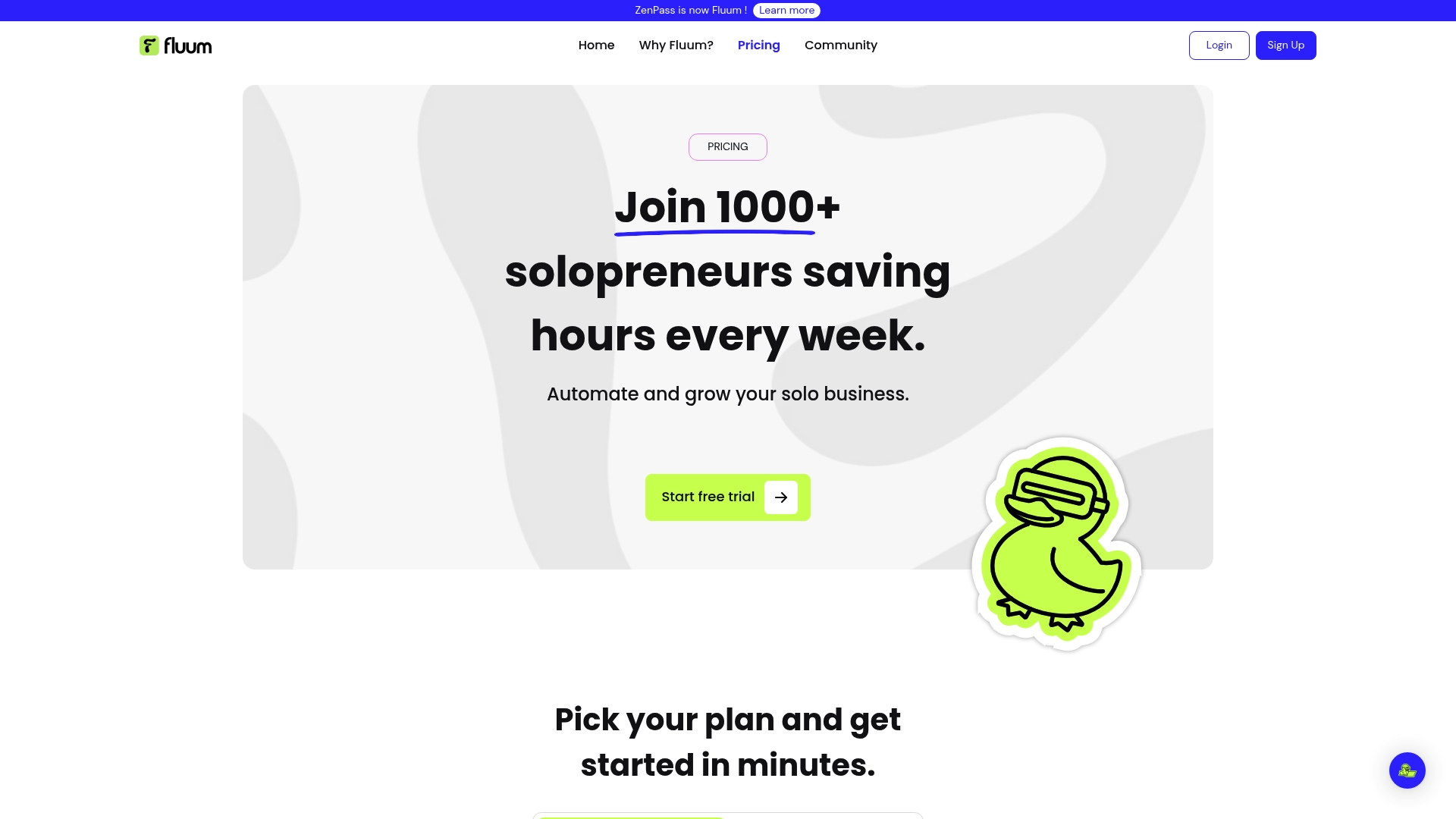
Discover how our AI co-founder can uncover referral paths, automate introductions, and manage follow-ups so you focus on delivering exceptional value to clients. Take the next step towards transforming your network into a powerful pipeline by exploring Fluum pricing and plans. Don’t wait to turn trusted connections into lucrative opportunities.
Frequently Asked Questions
What is social proof in consulting?
Social proof in consulting refers to the psychological mechanism where potential clients rely on the experiences and testimonials of previous clients to validate a consultant’s expertise and ability to deliver results.
How can I effectively use social proof to build trust with potential clients?
Effective use of social proof involves showcasing detailed case studies, client testimonials with specific outcomes, and quantifiable performance metrics that clearly illustrate your successful problem-solving capabilities.
What are some common mistakes to avoid with social proof in consulting?
Common mistakes include using vague or generic testimonials, presenting outdated client references, failing to refresh content regularly, and neglecting to represent diverse client experiences.
How can I leverage my professional network for referrals?
You can leverage your professional network by cultivating deep relationships with existing clients, engaging opinion leaders, consistently sharing valuable knowledge, and actively participating in professional communities to create meaningful connections that lead to referrals.
Recommended
- 7 Practical Referral Marketing Tips For Solopreneurs
- 7 Effective Referral Marketing Ideas For Solopreneurs
- 7 Confidence Building Exercises For Solopreneurs’ Success
- Dog Training and Bonding: Build Unbreakable Connections in 2025 – iPupPee
- Fluum | Effective Stress Management Techniques for Busy Professionals
- Fluum | How to Onboard Clients Effectively for Lasting Success
- Fluum | Master Managing Multiple Projects for Success
- Fluum | Build Your Brand with a Branding Builder in 2025
- Fluum | 7 Customer Retention Examples to Boost Your Business