


What is client onboarding? More than 60 percent of solopreneurs say that the first interaction with a new client makes or breaks the entire working relationship. Building trust and clear expectations from day one can set the tone for lasting success or leave doubts lingering. By understanding what truly matters in client onboarding, solopreneurs can turn new partnerships into ongoing collaborations that fuel growth and stand out in any crowded market.
Table of Contents
- Defining Client Onboarding For Solopreneurs
- Key Stages In The Onboarding Process
- Essential Tools And Automation Strategies
- Common Challenges And How To Avoid Them
- Best Practices For Seamless Client Experience
Key Takeaways
| Point | Details |
|---|---|
| Personalized Onboarding | Tailor the onboarding process to each client’s unique needs and preferences to foster meaningful connections and establish trust. |
| Structured Process | Employ a phased, objective-driven approach to onboarding that includes clear communication and defined goals to enhance client understanding. |
| Leverage Automation | Utilize automation tools to streamline administrative tasks, allowing for increased focus on client relationships and service quality. |
| Proactive Communication | Maintain regular check-ins and feedback loops to adapt to client needs promptly and ensure a seamless onboarding experience. |
Defining Client Onboarding for Solopreneurs
Client onboarding represents the strategic process of welcoming new clients into your professional ecosystem, transforming initial interactions from transactional exchanges into meaningful, productive relationships. For solopreneurs, this crucial first stage sets the foundation for long-term collaboration, trust, and potential repeat business.
At its core, client onboarding involves a systematic approach to introducing clients to your services, establishing clear communication channels, setting expectations, and creating a seamless initial experience. Unlike traditional corporate onboarding, solopreneur onboarding is more personalized and adaptable, focusing on creating individual connections that demonstrate your unique value proposition. Learn more about this process in our guide on how to onboard clients effectively.
Effective client onboarding typically includes several key components that help solopreneurs build strong professional relationships:
- Initial consultation or discovery call
- Formal service agreement or contract
- Welcome package with clear service details
- Communication channel setup
- Goal alignment and expectation management
The primary objective of client onboarding goes beyond mere paperwork.
It is about creating a smooth, professional transition that makes clients feel valued, understood, and confident in their decision to work with you. By implementing a thoughtful onboarding strategy, solopreneurs can differentiate themselves in competitive markets, reduce misunderstandings, and lay the groundwork for successful, long-term client partnerships.
Key Stages in the Onboarding Process
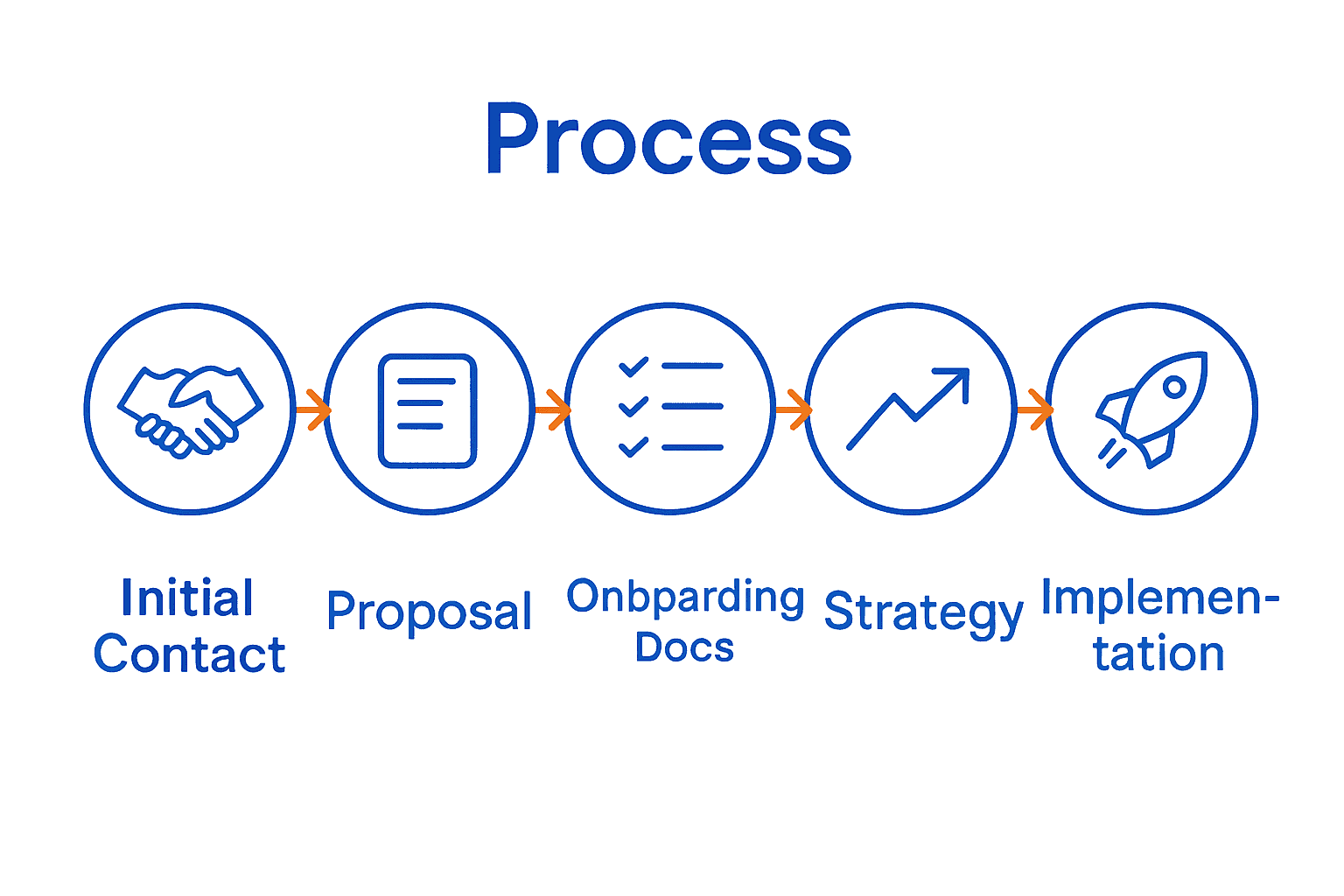
Client onboarding is a structured journey that transforms initial contact into a productive, long-term professional relationship. Swydo recommends a comprehensive 90-day process that breaks down client integration into strategic, manageable stages, ensuring a smooth transition and setting clear expectations from the start.
The typical client onboarding process for solopreneurs generally encompasses several critical stages:
- Initial Contact and Discovery
- Preliminary consultation
- Understanding client needs
- Initial rapport building
- Proposal and Agreement
- Detailed service proposal
- Contract negotiation
- Scope of work definition
- Onboarding Documentation
- Welcome package creation
- Gathering necessary client information
- Setting up communication channels
- Strategy Development
- Collaborative goal setting
- Detailed project roadmap
- Performance metric establishment
- Implementation and Execution
- Project kickoff
According to Superdocu, breaking down the onboarding process into phased, objective-driven stages helps ensure clarity, manage expectations, and create a structured path for successful client collaboration. Learn more about navigating these stages in our comprehensive client onboarding process guide.
Successful solopreneurs understand that effective client onboarding is not a one-size-fits-all approach. Each stage requires flexibility, active listening, and a personalized touch that demonstrates your commitment to the client’s unique goals and challenges. By implementing a systematic yet adaptable onboarding strategy, you transform initial interactions into the foundation of trust, professionalism, and potential long-term business relationships.
Essential Tools and Automation Strategies
Business automation has transformed how solopreneurs manage client onboarding, turning complex processes into streamlined, efficient workflows. Swydo highlights innovative tools like Leadsie that simplify critical steps such as secure account access permissions, dramatically reducing administrative friction and enhancing the overall client experience.
Key automation tools and strategies for solopreneurs include:
- Customer Relationship Management (CRM) Tools
- Scheduling and Booking Platforms
- Electronic Signature Software
- Automated Invoicing Systems
- Communication and Collaboration Platforms
These tools serve multiple purposes in the client onboarding process. They not only reduce manual administrative work but also create a professional, consistent approach to welcoming and integrating new clients. Learn more about implementing these strategies in our guide to business automation for freelancers.
For solopreneurs, the goal of automation is not to replace personal touch, but to create more space for meaningful client interactions. By leveraging smart tools that handle repetitive tasks, you can focus on delivering high-quality services, building relationships, and growing your business.
The right combination of automation tools can transform your onboarding process from a potential pain point into a smooth, impressive client experience that sets the tone for long-term collaboration.
Common Challenges and How to Avoid Them
Client onboarding is rarely a straightforward process, and solopreneurs often encounter significant hurdles that can derail potential business relationships. PwC research highlights critical challenges, emphasizing the importance of creating a seamless customer experience that minimizes repetitive interactions and maximizes conversion potential.
Common challenges solopreneurs face during client onboarding include:
- Miscommunication and Unclear Expectations
- Time-Consuming Administrative Processes
- Inconsistent Onboarding Experience
- Lack of Personal Connection
- Technical Barriers and Complexity
Strategic solutions to these challenges involve proactive communication, streamlined processes, and personalized approaches. When potential roadblocks emerge, solopreneurs must be prepared to adapt quickly and maintain professional flexibility. Learn more about navigating client relationships in our guide to dealing with difficult clients.
Ultimately, successful client onboarding is about building trust, setting clear expectations, and demonstrating your unique value proposition. By anticipating potential challenges and developing robust strategies to address them, solopreneurs can transform potential friction points into opportunities for deepening client relationships and establishing a reputation for professionalism and reliability.
Best Practices for Seamless Client Experience
Crafting an exceptional client experience requires intentional strategy and thoughtful execution. Userflow recommends breaking the onboarding journey into small, achievable milestones that keep clients engaged and motivated, transforming the initial interaction from a transactional process into a collaborative partnership.
Key best practices for solopreneurs include:
- Personalized Communication
- Clear and Transparent Expectations
- Proactive Problem Solving
- Regular Progress Check-ins
- Flexible and Adaptive Approach
Scribbl emphasizes the critical importance of establishing regular feedback loops and maintaining proactive communication throughout the client journey. This approach ensures continuous alignment and helps address potential concerns before they escalate. For deeper insights into managing client relationships effectively, explore our guide to understanding client management tips.
Ultimately, a seamless client experience is about creating a sense of partnership, demonstrating genuine interest in the client’s success, and consistently delivering value beyond mere transactional services. By implementing these best practices, solopreneurs can differentiate themselves in competitive markets, build strong professional relationships, and develop a reputation for exceptional client care that drives long-term business growth.
Simplify and Elevate Your Client Onboarding with AI
Turning new client onboarding into a smooth and personalized experience can be challenging. As the article highlights, solopreneurs often struggle with miscommunication, time-consuming tasks, and keeping every step organized. You want to create clear expectations and build strong relationships without the administrative overload. That is where an intelligent partner can change everything.
Fluum offers an AI-powered co-founder designed to handle the core of your client onboarding process. It learns from your unique approach and automates communication, scheduling, and payment management so you can focus more on connecting and delivering value. By embracing business automation and smart workflows, you reduce friction that often causes lost clients or wasted time.
Ready to transform your onboarding journey? Discover how Fluum can help you deliver personalized, professional client experiences consistently and effortlessly. See our pricing plans and get started today.
Don’t let onboarding challenges hold your business back. Take control with Fluum and start scaling smarter now.
Frequently Asked Questions
What is client onboarding?
Client onboarding is the strategic process of welcoming new clients into your professional ecosystem, establishing communication, setting expectations, and creating a positive initial experience aimed at building long-term relationships.
Why is client onboarding important for solopreneurs?
Effective client onboarding helps solopreneurs differentiate themselves in competitive markets, reduces misunderstandings, and lays the groundwork for successful, long-term client partnerships.
What are the key stages in the client onboarding process?
The key stages typically include initial contact and discovery, proposal and agreement, onboarding documentation, strategy development, and implementation and execution.
What tools can aid in client onboarding for solopreneurs?
Automation tools such as Customer Relationship Management (CRM) software, scheduling platforms, electronic signature tools, and automated invoicing systems can streamline the onboarding process and enhance client experiences.
Recommended
- How To Onboard Clients Effectively For Lasting Success
- Digital Marketing Fundamentals For Solopreneur Success
- Importance Of Mentorship: Complete Guide For Solopreneurs
- 7 Effective Marketing Strategy Examples for Entrepreneurs
- What Is Sales Coaching? | The Sales Coach Network
- Fluum | Effective Stress Management Techniques for Busy Professionals
- Fluum | How to Onboard Clients Effectively for Lasting Success
- Fluum | Master Managing Multiple Projects for Success
- Fluum | Build Your Brand with a Branding Builder in 2025
- Fluum | 7 Customer Retention Examples to Boost Your Business