

What is digital transformation? More than 90 percent of businesses worldwide are investing in digital transformation to stay competitive. This rapid shift goes well beyond adopting new software or automating simple tasks. For entrepreneurs and established companies alike, understanding digital transformation shapes how you deliver value, interact with clients, and drive long-term growth. By breaking down what digital transformation truly means, you can identify strategies that make your business more adaptive and future-ready.
Table of Contents
- Defining Digital Transformation In Business
- Major Types Of Digital Transformation
- How Digital Transformation Works
- Real-World Digital Transformation Use Cases
- Benefits, Risks, And Common Pitfalls
Key Takeaways
| Point | Details |
|---|---|
| Holistic Approach | Digital transformation requires a comprehensive strategy integrating technology, culture, and business alignment for optimal performance. |
| Types of Transformation | Organizations can pursue various transformation types, including business process, business model, domain, and cultural transformation to adapt effectively. |
| Continuous Learning | Successful digital transformation emphasizes a culture of ongoing learning and flexibility, viewing technology as an enabler of growth. |
| Mitigating Risks | Solopreneurs should strategically integrate digital technologies while addressing cultural resistance and ensuring proper training for successful implementation. |
Defining Digital Transformation In Business
Digital transformation is a comprehensive strategic process where businesses fundamentally reimagine their core operations by integrating advanced digital technologies into every aspect of their organizational ecosystem. According to francis-press, this goes far beyond simple technological upgrades – it represents a profound shift in how companies approach their business models, processes, and organizational structures.
At its core, digital transformation represents an organization’s holistic approach to leveraging technology for reimagining business performance. This involves three critical dimensions: technological implementation, cultural adaptation, and strategic realignment. By embracing data-driven decision making, automated processes, and enhanced customer interaction strategies, businesses can dramatically improve operational efficiency and drive meaningful innovation.
For solopreneurs and freelance professionals, digital transformation means strategically adopting tools and technologies that streamline workflows, enhance client engagement, and create scalable business models. This might include implementing AI-powered communication platforms, utilizing cloud-based project management systems, or developing digital marketing strategies that leverage advanced analytics.
The goal is not just technological adoption, but creating a dynamic, responsive business infrastructure that can quickly adapt to changing market demands and client expectations.
The most successful digital transformations are not about implementing the latest technology, but about cultivating a mindset of continuous learning and strategic flexibility.
By viewing digital tools as enablers rather than endpoints, professionals can create more agile, responsive, and competitive business models that are resilient in an increasingly digital marketplace.
Major Types Of Digital Transformation
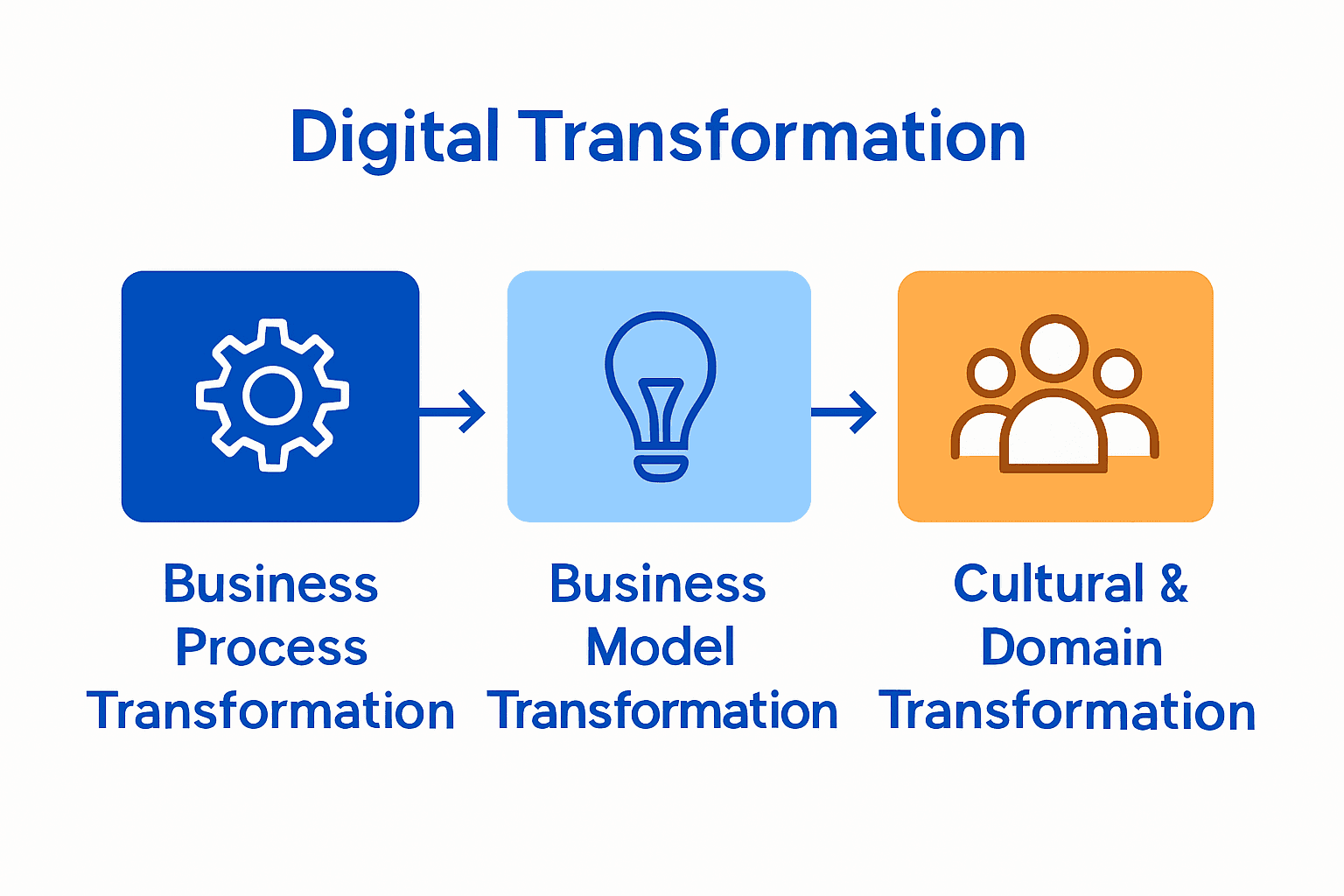
Digital transformation is not a one-size-fits-all approach, but rather a multifaceted strategy with distinct transformation types. According to neuroject, there are four primary categories of digital transformation that organizations can pursue, each addressing different aspects of business evolution and technological integration.
Business Process Transformation represents the foundational layer of digital change, focusing on reimagining and optimizing internal operations through technology. This involves implementing advanced automation tools, streamlining workflows, and leveraging data analytics to enhance operational efficiency. For solopreneurs and freelance professionals, this might mean adopting AI-powered project management platforms, implementing intelligent scheduling systems, or utilizing cloud-based collaboration tools that reduce administrative overhead.
The second critical type is Business Model Transformation, which goes beyond operational improvements to fundamentally restructure how value is created and delivered. This approach involves leveraging digital technologies to develop innovative service models, create new revenue streams, and adapt to rapidly changing market dynamics. Solopreneurs can explore this by developing digital products, creating online course platforms, or implementing subscription-based service models that provide recurring value to clients.
Additionally, Domain Transformation and Cultural Transformation play pivotal roles in a comprehensive digital strategy. Domain transformation allows professionals to expand into new markets or industries by utilizing digital capabilities, while cultural transformation ensures that organizations develop the mindset, skills, and organizational structures necessary to support ongoing digital innovation.
 The most successful digital transformations are not just about technological implementation, but about creating a holistic ecosystem of continuous learning, adaptability, and strategic technological integration.
How Digital Transformation Works
Digital transformation is a complex, strategic process that requires a systematic and integrated approach to technological integration. According to arxiv, organizations can leverage Data Operations (DataOps) as a disciplined methodology to drive meaningful digital change, enabling businesses to understand their analytical information needs and develop robust capabilities for transforming their operational models.
The core mechanism of digital transformation involves a multi-layered implementation strategy. This typically begins with a comprehensive assessment of existing technological infrastructure, followed by identifying key areas where digital technologies can create significant value. For solopreneurs and freelance professionals, this might involve analyzing current workflows, identifying inefficiencies, and strategically implementing digital tools that automate repetitive tasks, enhance client communication, and provide deeper insights into business performance.
Research from arxiv reveals that successful digital transformation can be measured through a comprehensive set of indicators, with significant potential to improve financial performance by enhancing operational efficiency and reducing costs. The process is not a one-time event but a continuous journey of adaptation, learning, and strategic technological integration. Professionals must develop a flexible mindset that views digital tools as dynamic enablers of business growth, constantly evaluating and updating their technological approaches to remain competitive in an rapidly evolving digital landscape.
Practically, digital transformation works through a cyclical process of assessment, implementation, analysis, and refinement. This involves continuously mapping technological capabilities to business objectives, experimenting with new digital solutions, measuring their impact, and iteratively improving strategies. By maintaining this adaptive approach, solopreneurs can create a responsive business model that leverages technology to streamline operations, expand service offerings, and ultimately deliver more value to their clients.
Real-World Digital Transformation Use Cases
Digital transformation manifests differently across various industries, demonstrating its versatile potential to revolutionize business operations. According to bakkah, several key sectors have successfully implemented transformative digital strategies that dramatically improve service delivery and operational efficiency.
In healthcare, digital transformation has enabled remarkable innovations like telemedicine platforms, electronic health records, and wearable monitoring devices. These technologies facilitate remote consultations, real-time patient tracking, and more coordinated care experiences. Similarly, the banking sector has leveraged digital tools to create mobile banking applications, implement AI-driven customer support systems, and streamline online account management processes that enhance customer satisfaction and reduce operational costs.
For solopreneurs and independent professionals, these industry examples provide valuable insights into implementing digital transformation strategies. Understanding the importance of digital literacy becomes crucial in navigating these technological shifts. The education sector offers another compelling example, with e-learning platforms and virtual classrooms enabling personalized, flexible learning experiences that transcend traditional geographical and scheduling limitations.
Research suggests that successful digital transformation extends beyond technological implementation. It requires a holistic approach that aligns technological capabilities with strategic business objectives. Professionals must view digital tools not as standalone solutions, but as integrated components of a broader strategy designed to enhance operational efficiency, improve customer experiences, and create new value propositions in an increasingly digital marketplace.
Benefits, Risks, And Common Pitfalls
Digital transformation presents a complex landscape of potential advantages and challenges for businesses and solopreneurs. According to arxiv, while digital transformation can significantly enhance financial performance by creating new business models and improving operational efficiency, organizations must carefully navigate the potential risks and complexities inherent in technological change.
Key Benefits include increased operational efficiency, expanded market reach, and the ability to create more personalized, responsive business models. However, these benefits are not automatic. Solopreneurs must strategically implement digital technologies, understanding that each tool represents both an opportunity and a potential challenge. The most successful digital transformations occur when professionals view technological adoption as a holistic process of continuous learning and adaptation.
The risks and common pitfalls are substantial. Research from francis-press highlights that successful digital transformation requires establishing a positive, innovative corporate culture and maintaining organizational flexibility. Common challenges include:
- Resistance to change from within the organization
- Insufficient leadership commitment
- Lack of clear strategic vision
- Inadequate change management capabilities
- Technological implementation without proper training
For solopreneurs, mitigating these risks requires a deliberate, measured approach to digital transformation. This means carefully selecting technologies that genuinely enhance business performance, investing in continuous learning, and maintaining the flexibility to pivot when specific digital strategies are not delivering expected results. The goal is not wholesale technological replacement, but strategic integration that creates tangible value for your business and clients.
Take Control of Your Digital Transformation Journey Today
Digital transformation can feel overwhelming with its need for continuous learning, strategic flexibility, and seamless technology integration. The article highlights common challenges such as resistance to change, lack of clear vision, and the struggle to implement tools that truly add value without creating extra work. You deserve a solution that not only automates repetitive tasks but also adapts to your unique business needs, helping you scale without losing focus on your creativity and clients.
Fluum is built exactly for solopreneurs and freelancers facing these challenges. Our AI co-founder dynamically learns from your behavior and goals, automating everything from client outreach on Instagram to scheduling and payment management. This smart, hands-on support allows you to embrace digital transformation effectively by turning technology into your strategic growth partner.
Ready to stop juggling tasks and start growing smarter? Explore Fluum’s pricing and features and discover how you can simplify your business processes today.

Take the first step toward effortless digital transformation and build a business that adapts and evolves with you. Don’t wait for technology to catch up with your needs. Visit Fluum Pricing now and transform your workflow with AI-driven automation.
Learn more about the importance of digital literacy to empower your growth and stay ahead in the digital age.
Frequently Asked Questions
What is digital transformation in business?
Digital transformation in business is a strategic process where organizations reimagine their core operations by integrating advanced digital technologies into all aspects of their ecosystem. It encompasses technological implementation, cultural adaptation, and strategic realignment to enhance performance and efficiency.
What are the major types of digital transformation?
The major types of digital transformation include Business Process Transformation, Business Model Transformation, Domain Transformation, and Cultural Transformation, each focusing on different aspects of operational improvement and technological integration.
How does digital transformation work?
Digital transformation works through a systematic approach involving assessment, implementation, analysis, and refinement. Organizations evaluate existing technologies, identify areas for improvement, and implement digital tools to enhance workflows and client engagement while continuously adapting to market changes.
What are the benefits of digital transformation?
The benefits of digital transformation include increased operational efficiency, expanded market reach, and the ability to create personalized business models. It can lead to improved financial performance through new business models and enhanced customer experiences.
Recommended
- Understanding Digital Marketing Basics For Success
- Understanding The Importance Of Digital Literacy Today
- Insurance Digital Transformation Guide for Effective Change – Digital Insurance Platform | IBSuite Insurance Software | Modern Insurance System
- Understanding Digital Transformation in Business Today –
- Fluum | Effective Stress Management Techniques for Busy Professionals
- Fluum | How to Onboard Clients Effectively for Lasting Success
- Fluum | Master Managing Multiple Projects for Success
- Fluum | Build Your Brand with a Branding Builder in 2025
- Fluum | 7 Customer Retention Examples to Boost Your Business